
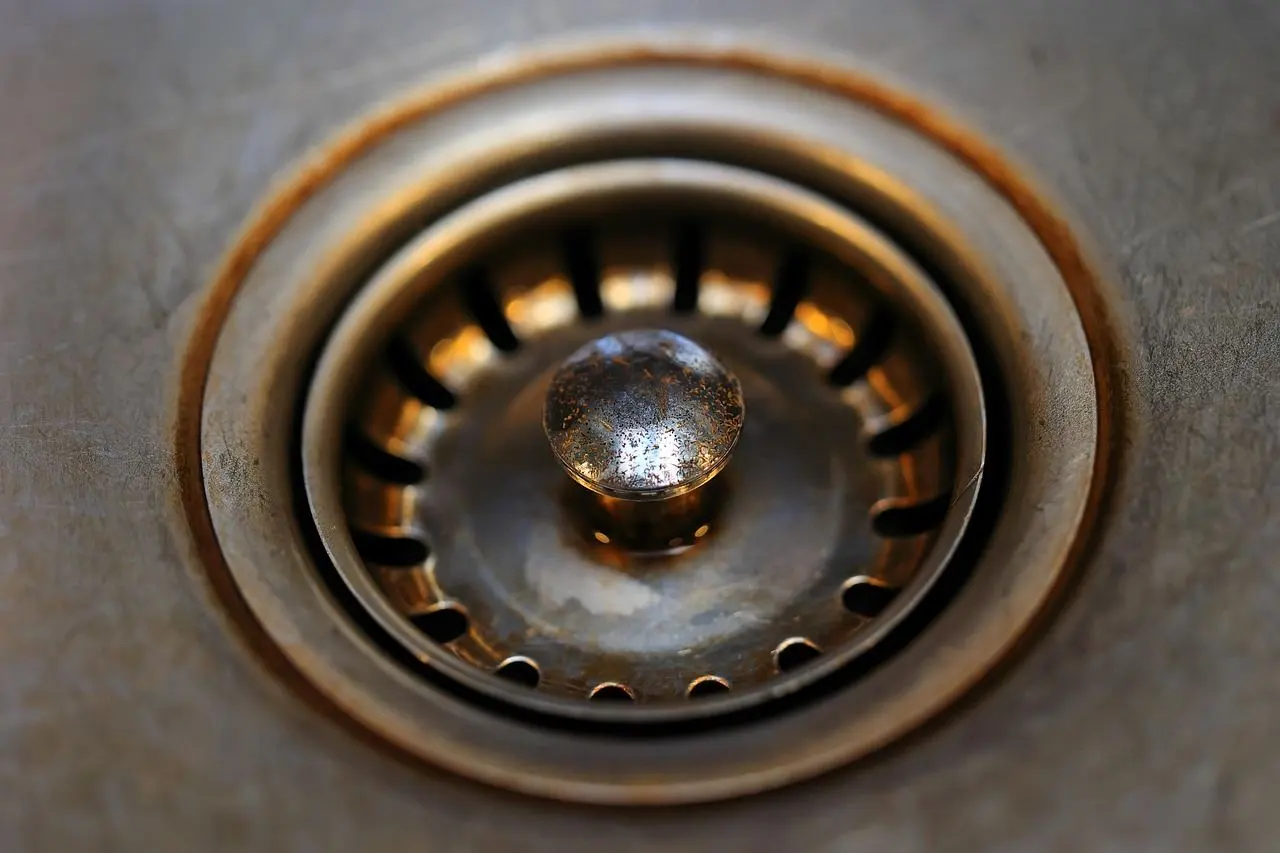
Water pooling in your sink or shower is stressful, but you can often fix it yourself. Here’s how to unclog a drain: plunge first, then try baking soda and vinegar, then a drain snake.
This guide sits within the diy home repairs collection of simple homeowner jobs.
| Item | Value |
|---|---|
| Baking soda for the vinegar flush | Half a cup |
| Vinegar for the flush | A cup |
| Rest time before the boiling water | 15 minutes |
| Baking soda and salt mix | Half a cup of each |
| Wait after pouring the soda-salt mix | 15 minutes |
These amounts come from a Roto-Rooter blog post and AAA’s guide to unclogging a drain without chemicals. Quantities and timings differ between guides and can change, so check the source before you rely on them.
Start with a plunger
A plunger isn’t just for toilets: AAA’s guide says it works on most drains and may be all you need when hair or soap scum causes the clog.
Pick one that suits a sink. The Roto-Rooter post describes sink plungers as usually red rubber with a shallow suction cup, and AAA adds that it should be large enough for the drain and used without too much force.
A Yahoo Lifestyle how-to suggests this routine:
- Remove the strainer or stopper.
- Fill the basin halfway with water, then plunge, raising the pressure gradually.
- On a double sink, plug the other side so you build enough pressure.
Does baking soda and vinegar really work?
Sometimes, mainly on small or early blockages. The Roto-Rooter post says homemade cleaners suit prevention better than damage control, because a large mass of organic gunk may be too much for baking soda and vinegar. The same post adds that these mixes can match commercial products but need more time and more applications.
The fizz gets more credit than it earns. AAA’s guide quotes a cleaning-company owner who calls hot water the key ingredient, and its order is hot water first, then the mix, then more hot water.
This is the sequence in the Roto-Rooter post:
- Remove the stopper.
- Pour half a cup of baking soda directly into the drain.
- Pour a cup of vinegar in after it.
- Let it sit for 15 minutes.
- Boil a pot of water and pour it directly into the drain.
The post says stubborn clogs may need a repeat. Boiling water carries a caution, though: Bob Vila’s guide warns it could melt PVC pipes, so check what your pipes are made of before you pour a full kettle.
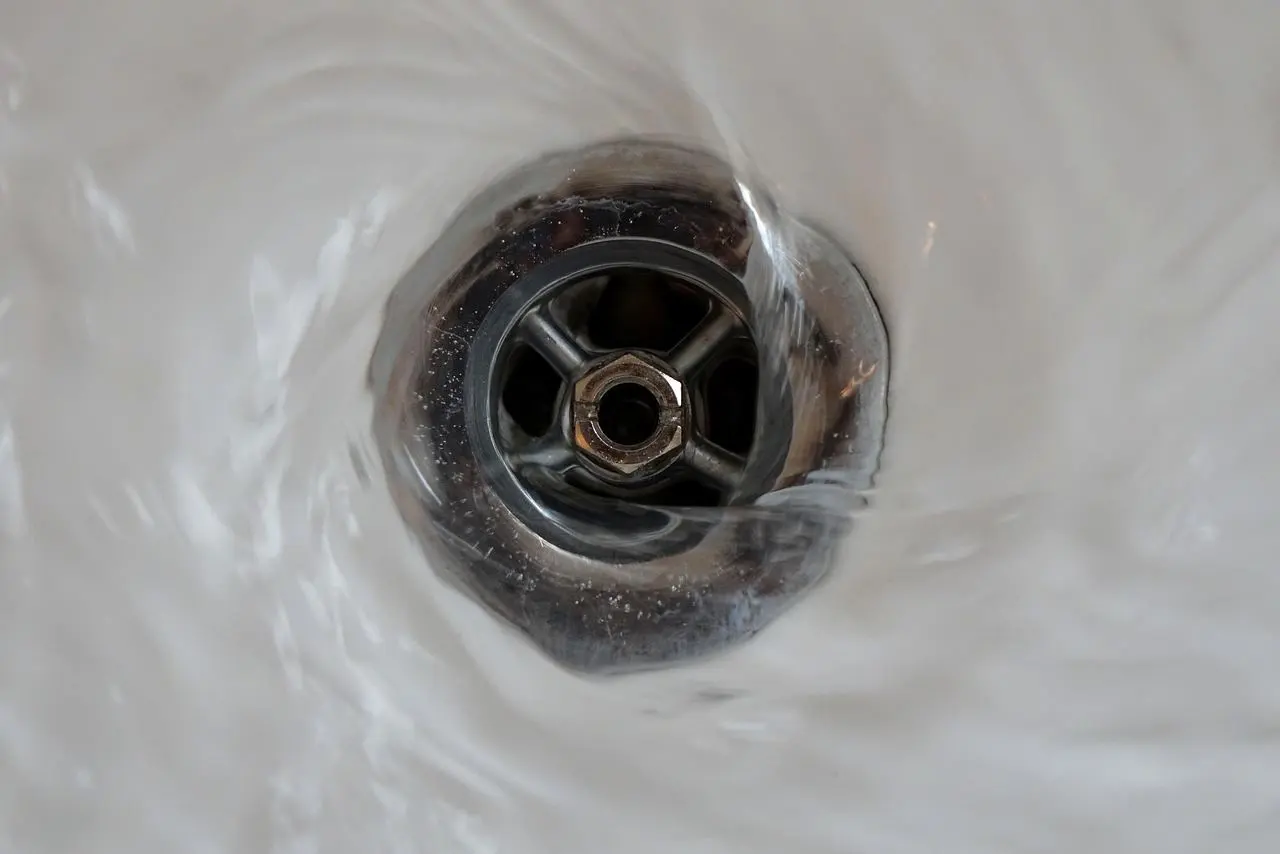
Guides disagree on quantities and timing, so treat them as starting points:
- Quantities: AAA cites one-third cup of each ingredient, Bob Vila uses half a cup of each, and Yahoo Lifestyle uses a cup of each.
- Rest time: the Roto-Rooter post waits 15 minutes, Yahoo Lifestyle waits at least a half hour, and Bob Vila waits an hour.
Other gentle mixes for grease and soap
For a greasy kitchen sink, Bob Vila’s guide says soap and hot water works best. Mix a few tablespoons of liquid dish soap into a pot of boiling water and pour it in slowly. The aim is to heat the grease to a liquid state so it can travel down and out of the pipe.
A baking soda and salt mix is another option. AAA’s guide uses half a cup of each, waits 15 minutes, then follows with boiling water, but it says to use the method sparingly because salt is not good for your pipes.
Use a drain snake or clear the p-trap
If plunging and flushing fail, a drain snake reaches what suction can’t. A Real Homes guide describes a plumber’s snake as a long, flexible wire that travels down the pipe and shows you where the blockage sits. Bob Vila’s guide says to lower it until it has a good hold on the blockage, then pull the clog up.
Larger drains need an auger, a metal snake with a crank, according to AAA. The Yahoo Lifestyle how-to advises extra care if you have older pipes.
Next comes the p-trap, the U-shaped pipe under bathroom and kitchen sinks that AAA describes as removable. Work through it like this:
- Photograph the pipes so you remember how they go back together.
- Turn off the shutoff valves under the sink and set a bucket under the curved pipe.
- Unscrew the pipe, using an adjustable wrench turned counter-clockwise if needed.
- Clean it with rags and an old toothbrush or bottle brush.
- Reconnect it so the seals are tight, turn the valves back on and run the water to check for leaks.
The photo tip and the valve and wrench steps come from the Yahoo Lifestyle how-to, while the cleaning and seal advice is from Real Homes. If the tap itself drips while you are under the sink, the guide on how to fix a leaky faucet covers that separate job.
When should you call a plumber?
Stop once the easy options have failed. AAA ends its advice with “when in doubt, call a pro”, and the Yahoo Lifestyle how-to says continuing drainage problems after all its steps mean it is time for a professional.
The Roto-Rooter post notes that a blockage that keeps returning could signal a larger undetected problem.
Chemical openers are not a shortcut. Bob Vila’s guide says sodium hydroxide (lye) slowly dissolves the organic matter behind a clog but can also corrode plumbing pipes. Work beyond a simple trap or snake, such as in-wall or main-line pipework, belongs with a licensed plumber.
A toilet that keeps running is a different fault from a slow drain, and the guide on how to fix a running toilet explains it.
Keeping drains clear
A few habits cut down on repeat clogs:
- Use drain screens or strainers to keep hair and debris out of the pipes, as the Yahoo Lifestyle how-to recommends.
- Don’t treat the sink like a dumping ground for things that don’t belong in it.
- Avoid putting damaging items down any drain, which AAA lists as a general rule.
Frequently asked questions
Can I use a plunger on a shower drain?
Show answer
Sources describe plungers as suitable for most drains, so a shower drain is a reasonable first try. Lift off the cover or stopper, as the sink method does, and build the pressure up gently.
Is it safe to pour boiling water down a drain?
Show answer
Use it with care. AAA’s guide says to add it in small amounts and make sure the water keeps draining, since hot water can melt gunk and push it farther along, where it hardens into a second clog.
Can I hook out a clog with a coat hanger?
Show answer
Guides disagree. AAA lists a hooked hanger as an in-a-pinch way to grab hair and soap residue, while Real Homes advises against hangers because they might get stuck inside the pipe and make the problem worse.
Will a homemade cleaner shift a dropped object?
Show answer
No. The Roto-Rooter post says a foreign object such as jewelry or large pieces of food will not respond to a homemade cleaner, and a costlier chemical one would not help either. That is a job for the p-trap or a snake.