
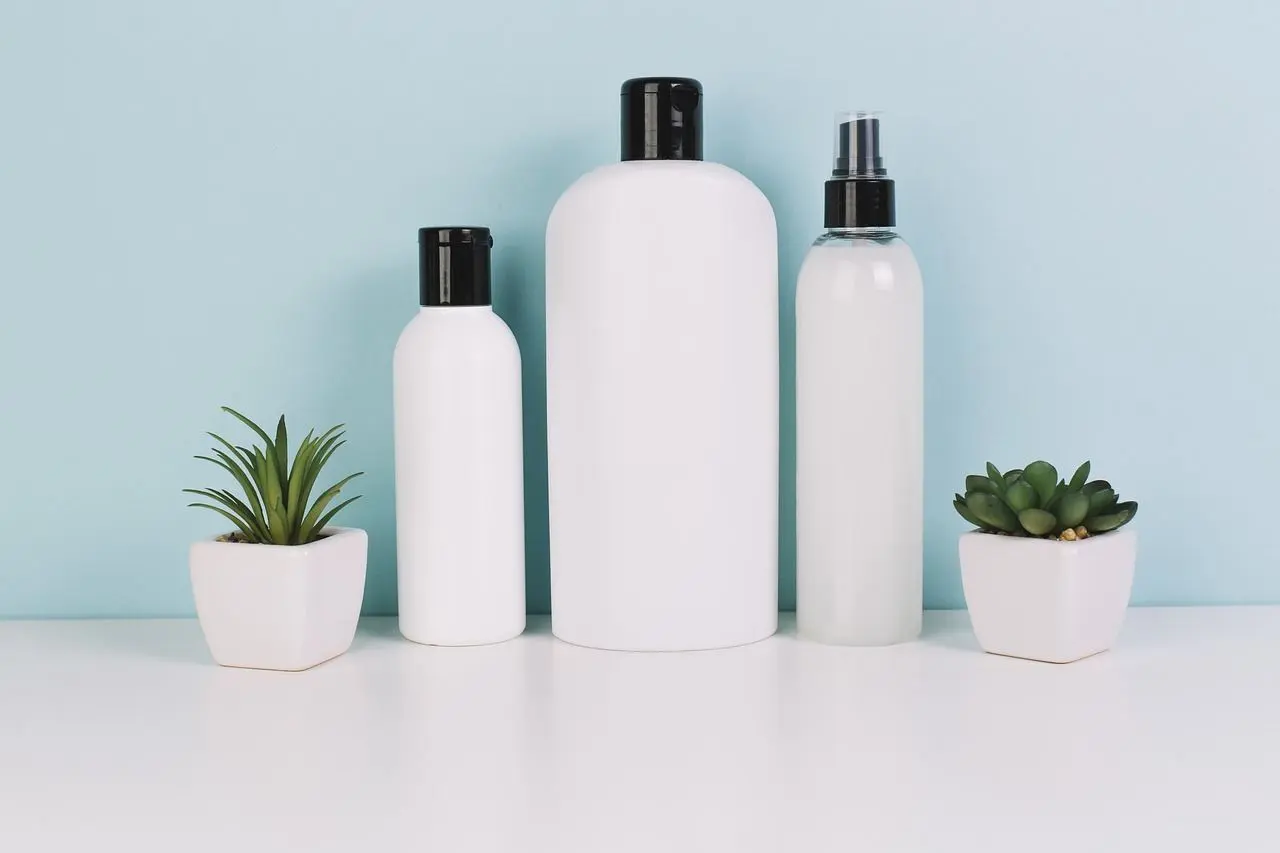
You may reach for two cleaners to get a stronger clean, but you should never mix cleaning products, especially bleach. Bleach reacts with ammonia and acids, including vinegar, and can release toxic gas.
This safety guide sits within the wider set of cleaning tips for the home.
| Item | Value |
|---|---|
| Health Canada advisory last updated | 2021-02-08 |
| Chloramine exposure reports, October and November 2020 | More than double the same months in 2019 |
| Products that react with bleach | Any containing ammonia or an acid, including vinegar |
| Gas created by mixing | Chloramine, harmful if inhaled |
| Leftover diluted bleach solution | Do not store it for future use |
| Advisory rule | Never mix any cleaning product with household bleach |
These figures come from a Health Canada public advisory. Advice and statistics can change, so check the source before you rely on them.
What happens when bleach meets another cleaner?
Mixing household bleach with other household cleaners can create toxic gases, such as chloramine, and lead to poisonings if inhaled. That is the warning in the Health Canada advisory, last updated 2021-02-08.
The advisory lists burning eyes and light-headedness among the effects of these gases, and it says exposure can also be deadly. Bleach on its own can irritate or burn your skin, eyes or lungs if it is not handled safely.
The takeaway is blunt: the same advisory says never to combine any cleaning product with household bleach, however tempting a stronger clean sounds.
Which products react with bleach?
According to the Health Canada advisory, bleach will react with any cleaning product containing ammonia or an acid, including vinegar. The advisory names these examples:
- Glass cleaners, which can contain ammonia
- Toilet bowl cleaners
- Other products containing ammonia or acids
- Vinegar, which is an acid and is often thought of as harmless
Product names rarely say what is inside, so the label is your best guide. The advisory asks you to read the label and follow the directions before using any household product.
Why do these warnings keep coming up?
Health Canada reported that Canadian Poison Centres received more than double the number of reports for chloramine exposures in October and November 2020 than in the same months of 2019. The agency tied this to a higher demand for, and use of, household cleaning products during the COVID-19 pandemic.
It also noted social media posts encouraging people to mix bleach with other cleaners. Its position is that claims such as these, about making a mixture more effective against COVID-19, are false and misleading.
Safer habits when you clean
Most of the guidance in the advisory comes down to a few simple routines. Keep to one product at a time and follow these steps:
- Read the product label and follow its directions every time.
- Vent your home during and after cleaning by opening windows or doors and running exhaust fans.
- Wear goggles and rubber gloves to protect your eyes and skin when using bleach.
- Make only as much diluted bleach solution as you need, and do not keep the rest.
- Store bleach and other household chemicals out of sight and reach of children.
The advice on leftovers has a practical reason: the advisory warns that you may forget a stored solution contains bleach, which can lead to dangerous incidents.
Planning helps too. A written house cleaning schedule makes it easier to tackle one job and one product at a time instead of combining them in a rush. For bathroom mold in particular, read about how to remove mold from bathroom surfaces before you reach for several products together.
If someone has been exposed
The Health Canada advisory says that if you think there is a risk of harm, you should call the Canadian Association for Poison Centres and Clinical Toxicology or your health care provider right away. Readers elsewhere should look up their own local poison centre or emergency number in advance.
The advisory also suggests you:
- Have the product label handy to give its information to the person who answers the phone
- Bring the original product container when seeking help
- Report the incident to Health Canada
It adds that bleach or any household cleaning product should never be eaten or drunk, and that you should never clean yourself or your child with bleach or diluted bleach. This guide is general label and agency guidance, not medical advice.
Frequently asked questions
Can I add vinegar to bleach for a stronger clean?
Show answer
No. Vinegar is an acid, and the advisory lists acids among the things bleach reacts with, so pairing them is exactly what the guidance warns against.
Is glass cleaner safe to use alongside bleach?
Show answer
Not in the same space or the same bucket. Glass cleaners are among the ammonia products the agency names as a problem when they meet bleach.
Can I save a bottle of diluted bleach for next week?
Show answer
The agency advises against it. An unlabeled leftover mix is easy to forget about, so prepare only what the current job needs.
Does mixing cleaners make them kill more germs?
Show answer
Health Canada calls that idea false and misleading. Using a single product as its label directs is the approach the advisory backs.