
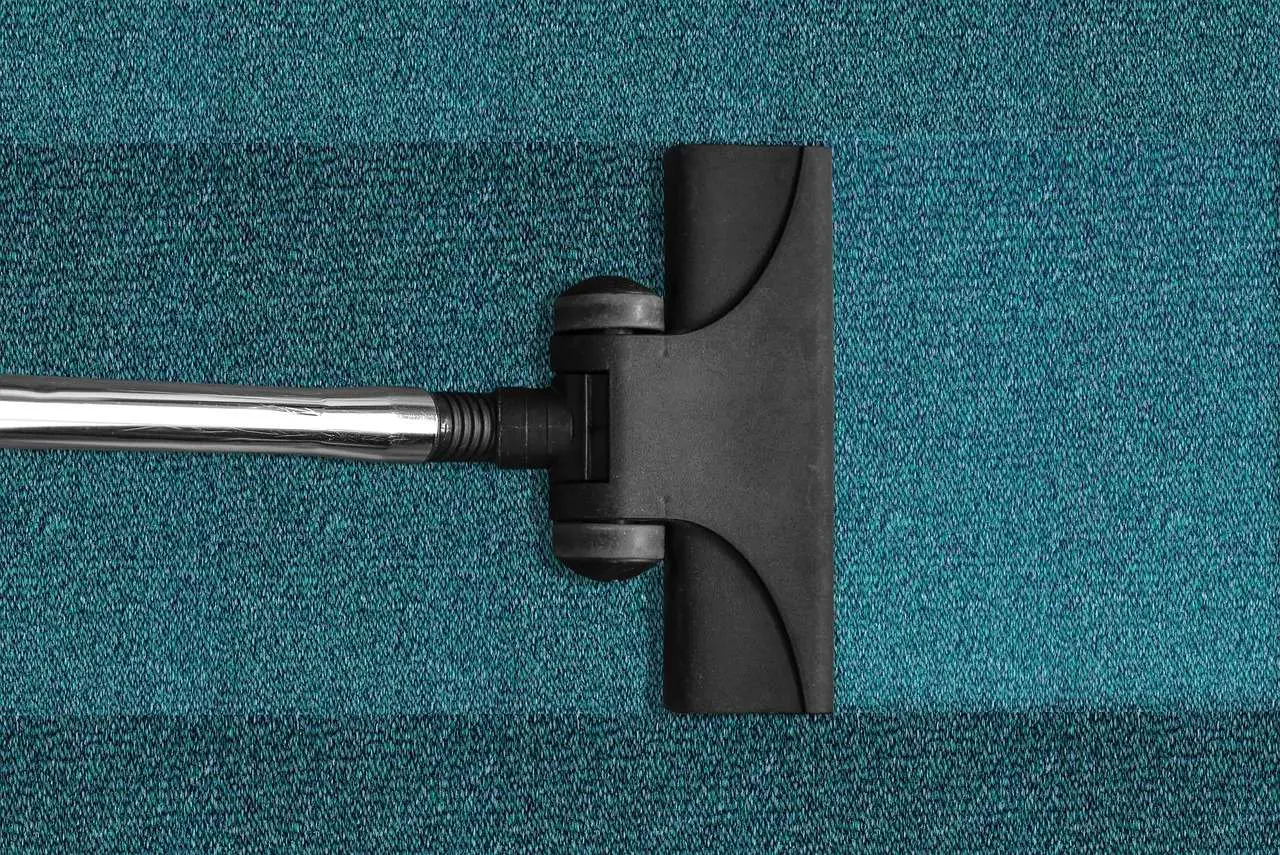
Spilled something on your carpet and worried it will set? Here is how to remove stains from carpet: act fast, blot and never rub, then treat with a mild dish-soap solution matched to the stain type.
This guide sits within the site’s cleaning tips series and breaks the job down by stain type.
| Item | Value |
|---|---|
| Mild detergent solution | 1/4 teaspoon of dish-washing detergent in 1 cup of warm water |
| Detergent solution standing time (mud) | 15 minutes |
| Vinegar solution standing time | 10 minutes |
| Baking soda wait for grease | at least 6 hours |
| Coffee stain mix | one part white vinegar, one part liquid dish soap, two parts warm water |
These figures come from AHS and Simply Spotless, with the coffee mix from Woman & Home, and quantities and timings can change, so check the source before you rely on them.
Start with the same first steps for every stain
Whatever the spill, the rule is to act quickly. Woman & Home says this applies to most stains, from coffee and red wine to mud.
Your first job is to remove the excess. Ideal Home advises clearing any liquid, food or other material around the stain before you reach for a cleaner. Chunky or solid mess is better scraped up with a blunt knife or spoon than blotted.
- Lift off solids with a spoon or blunt knife, or soak up liquid with an absorbent cloth or paper towel.
- Dab the spot repeatedly instead of scrubbing it, and swap to a clean part of the cloth as it fills.
- Apply a small amount of your chosen solution to the stain.
- Blot from the outside edge towards the centre so the mark does not spread.
- Rinse by dabbing with plain water, then let the carpet air dry.
Simply Spotless puts the rule for spills plainly: if it is a liquid, do not rub it. Keep dabbing until the stain stops transferring to your cloth.
Which household solution should you mix?
For general use, a mild detergent solution is the usual starting point. AHS suggests mixing 1/4 teaspoon of dish-washing detergent into 1 cup of warm water and dabbing it on with a clean cloth.
A vinegar solution is the main alternative. Simply Spotless adds 1 teaspoon of white vinegar and 1 teaspoon of dishwashing liquid to a cup of warm water, then lets it soak for 10 minutes. It also warns that wetting the stain too much could damage the carpet.
If you own a ready-made carpet stain remover, the same source says to follow the manufacturer’s instructions. Use the homemade mixes when nothing suitable is to hand.
Coffee, tea and red wine stains
For coffee, Woman & Home recommends a coffee stain mix of one part white vinegar, one part liquid dish soap and two parts warm water. Blot it on from the outside in, rinse with cold water and let the carpet air dry.
A simpler option for stubborn marks is club soda. AHS suggests pouring it over the coffee stain and blotting.
Red wine calls for a gentle touch. Blot up the excess with a paper towel without pressing hard, because pushing drives the wine deeper into the fibres, according to Woman & Home. Then cover the whole mark with salt, let it soak up the wine and dry completely, and vacuum the area.
Spills like these often start near the counter, so the guide on how to clean a kitchen is a useful companion for the surrounding surfaces.
Mud, ink and grease stains
Mud is easiest once it has dried. On synthetic fibres, AHS says to let it dry, vacuum up as much dirt as you can, then dab on the detergent solution and leave it for 15 minutes. After that, soak up the liquid with a dry cloth and repeat with plain warm water.
For ink on synthetic carpet, the same AHS guide uses an oil solvent or even nail polish remover, dabbed on in a small amount. Wait 15 minutes, repeat if needed, then rinse by dabbing with plain water.
For grease, Simply Spotless sprinkles baking soda over the stain and leaves it for several hours. Once it has sat for at least 6 hours, vacuum the powder up, dab the area with a cloth lightly wetted with alcohol, and only then try a carpet stain remover.
If the same ink or grease has landed on a garment rather than the floor, the steps differ, as covered in how to remove stains from clothes.
Blood and pet stains
With blood, water temperature matters. Simply Spotless notes that hot water makes blood coagulate, while cold water stops it permeating the carpet fibres. You may need several rounds of dabbing to clear it.
Pet urine is usually harder to deal with as a smell than as a mark. The same source recommends an enzymatic cleaner, which most pet stores sell, and keeping it handy if you have a puppy or kitten.
What mistakes make a carpet stain worse?
Most failed clean-ups come down to a few habits that are easy to avoid.
- Rubbing a wet spill, which can work it into the pile.
- Pressing hard while blotting, which pushes liquid deeper.
- Soaking the area, which the sources warn can harm the carpet.
- Reaching for hot water on blood.
- Leaving a spill until it has dried when it could have been blotted straight away.
Fresh stains respond best, so keep a clean cloth and a small bottle of your chosen solution somewhere easy to reach.
Frequently asked questions
Is vacuuming enough to remove a stain?
Show answer
Not for stubborn marks. Woman & Home says vacuuming alone will not shift them, and that a stain-specific method is needed to lift the toughest ones.
Can I steam clean a pet accident?
Show answer
It is best avoided. Simply Spotless says steam cleaning pet urine sets the stain and makes the smell worse, so use an enzymatic cleaner instead.
How do I dry the spot afterwards?
Show answer
Let it air dry, or press a heavy object down onto a folded absorbent cloth or paper towel and swap the cloth until the patch is dry, a tip given by Simply Spotless.
What if a mark is still visible after cleaning?
Show answer
Go back to the solution step and treat it again. The same guide advises repeating the apply-and-dab cycle until the cloth no longer picks up colour.