
Short on room and long on stuff? The best small space storage ideas start with owning less, then using walls, doors and the space above furniture. Start with one area, and check your lease before drilling anything.
This page is one part of the wider home organization topic, and it focuses on tight floor plans.
| Item | Value |
|---|---|
| Average door height | 6 feet 8 inches |
| Space often free above doors | A few feet |
| Four-box method | Four destinations per item |
| Quick test for unused items | A year |
The door and overhead figures come from Budget Dumpster’s storage guide, and the four-box method and the one-year test come from HireAHelper’s small apartment guide. Figures and advice can change, so check the sources before you rely on them.
Start by owning less
The cheapest storage is the storage you never need to buy. HireAHelper’s advice is that having less to store is the lowest-cost way to gain room in a small apartment, because closets and cabinets are limited.
Work through one area or category at a time, such as a closet, a kitchen cabinet or your shoes. A single manageable group is far easier to judge than a whole home at once.
The four-box method gives every item one of four destinations:
- Keep: things you use, need or genuinely want in the apartment.
- Donate or sell: useful items that no longer earn the space they take up.
- Trash or recycle: broken, expired, damaged or unusable things.
- Relocate: things you are keeping that belong somewhere else.
A simple prompt is to ask whether you have used an item in a year, and if not, why it is staying. The same guide lists seasonal equipment, sentimental pieces, specialty tools and important paperwork as clear exceptions, and the steps on how to organize paperwork at home cover that last category.
Decide where unwanted things will go before you begin sorting. In a small apartment, a donation pile can quickly become a space problem of its own, as HireAHelper points out.
Use walls, doors and the space above furniture
Vertical storage means using walls, doors, cabinets and tall furniture to organize belongings without taking up more floor space, according to Public Storage’s apartment guide. Budget Dumpster goes further and calls walls the biggest space-saving opportunity, even in the smallest homes.
Look at the space above doors first. Budget Dumpster notes there is often a few feet of room there that stays bare, and the same is true above many kitchen and bathroom cabinets. Shelves or baskets in those spots suit towels, surplus supplies and things you rarely use.

Put the back of the door to work
With an average door height of 6 feet 8 inches, a door offers plenty of hanging room, as Budget Dumpster observes. Pantry doors, for example, can hold food packages and plastic bags.
Over-the-door organizers can hold shoes, cleaning supplies, hats, accessories, pantry items, toiletries or linens, HireAHelper says. Measure the door and check the clearance first, and make sure it still opens and closes without damaging the frame, as Public Storage advises.
Stack and shelve with care
Tall storage works best when it is arranged sensibly. Public Storage’s guide offers these habits:
- Choose rigid, stackable containers, because soft or partly filled boxes can lose their shape under a load.
- Place heavier belongings on lower shelves and lighter items higher.
- Keep frequently used belongings at eye level or below.
Room-by-room ideas to try
Each room has its own unused corners. These ideas draw on the guides linked above:
- Closet: if you have unused height, modular stacking cubbies or other closet organizers can fill it, according to organizer Jamie Hord in Real Homes.
- Kitchen: use the pantry door and the top of cabinets for lightweight, lower-use items, as Budget Dumpster suggests.
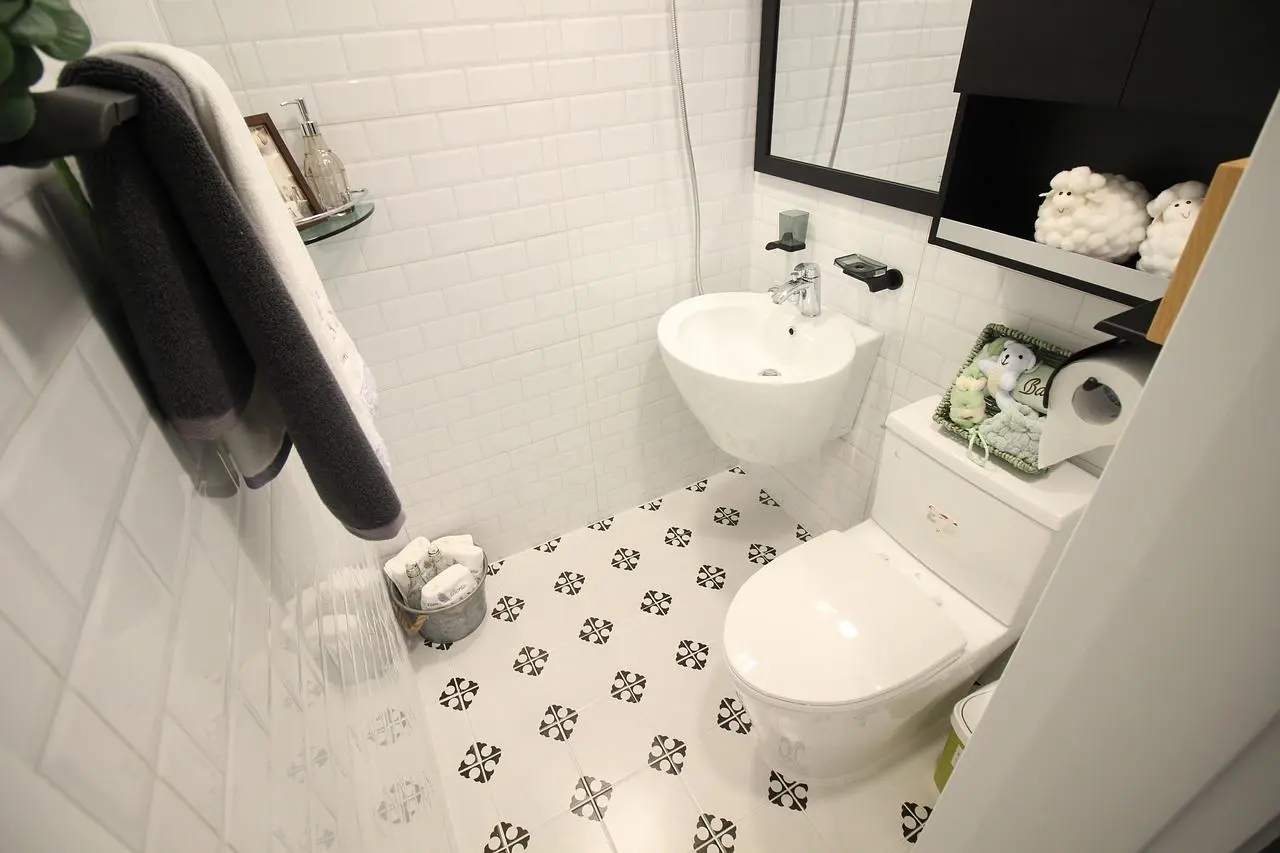
- Bathroom: hang towels to dry or add metal baskets for supplies on the back of the door.
- Bedroom: a tall display cabinet or narrow bookcase can hold shoes, handbags, books or folded clothing in less floor space than a wide dresser, says Public Storage.
- Living room: a tall, narrow bookcase adds storage without using a large section of floor, per the same guide.
Choose furniture that does more than one job
Furniture that stores something is an efficient use of space, but HireAHelper cautions that heavier storage furniture is not always worth buying if another move is coming soon. Think about how long you will stay before you commit.
Aim for one tall piece with a clear purpose rather than several small ones that make the room feel crowded, as Public Storage recommends.
Storage also does not have to hide things. Budget Dumpster points out that open shelving, crates and hanging racks can double as display areas for books, glassware or artwork.
Renter-friendly options when you can’t drill
Before installing anything on a wall or door, review your lease, check with property management and follow the manufacturer’s instructions, as Public Storage advises. Anything structural beyond simple homeowner tasks is a job for a licensed professional.
When permanent fixings are off the table, these renter-friendly fixes are worth a look:
- Tension rods, over-door organizers, freestanding shelving and removable hooks used according to their instructions, per HireAHelper.
- A narrow bookcase or ladder-style shelf, which uses much of the same vertical space without mounting anything.
- A freestanding pegboard or other temporary display system if your lease bans drilled installations, as Public Storage suggests.
What if everything still doesn’t fit?
If you have used the space well and things still will not fit, HireAHelper suggests you may have a volume problem rather than an organization problem. More bins will not fix that.
For seasonal or rarely used belongings, Public Storage mentions off-site self-storage as an option when those items take up too much apartment space. If you also have a garage, the garage organization ideas guide shows how to keep that overflow tidy.
Frequently asked questions
Where should I begin with a cluttered small home?
Show answer
Pick the smallest problem area, such as one closet or a single drawer, and finish it before moving on. Clearing it first shows you how much storage you actually need.
Can I add wall storage in a rental?
Show answer
Read your lease and ask property management before you drill or mount hardware. If drilling is not allowed, freestanding shelves, tension rods and removable hooks used per their instructions give similar results.
Is it better to hide belongings or display them?
Show answer
Both work. Closed bins keep visual noise down, while open shelves and crates suit items you enjoy seeing, so mix the two based on how often you use each thing.
How do I stop tall storage from becoming a mess?
Show answer
Group similar belongings together, label containers on more than one side and keep daily items within easy reach. Avoid stacking higher than you can comfortably access.