
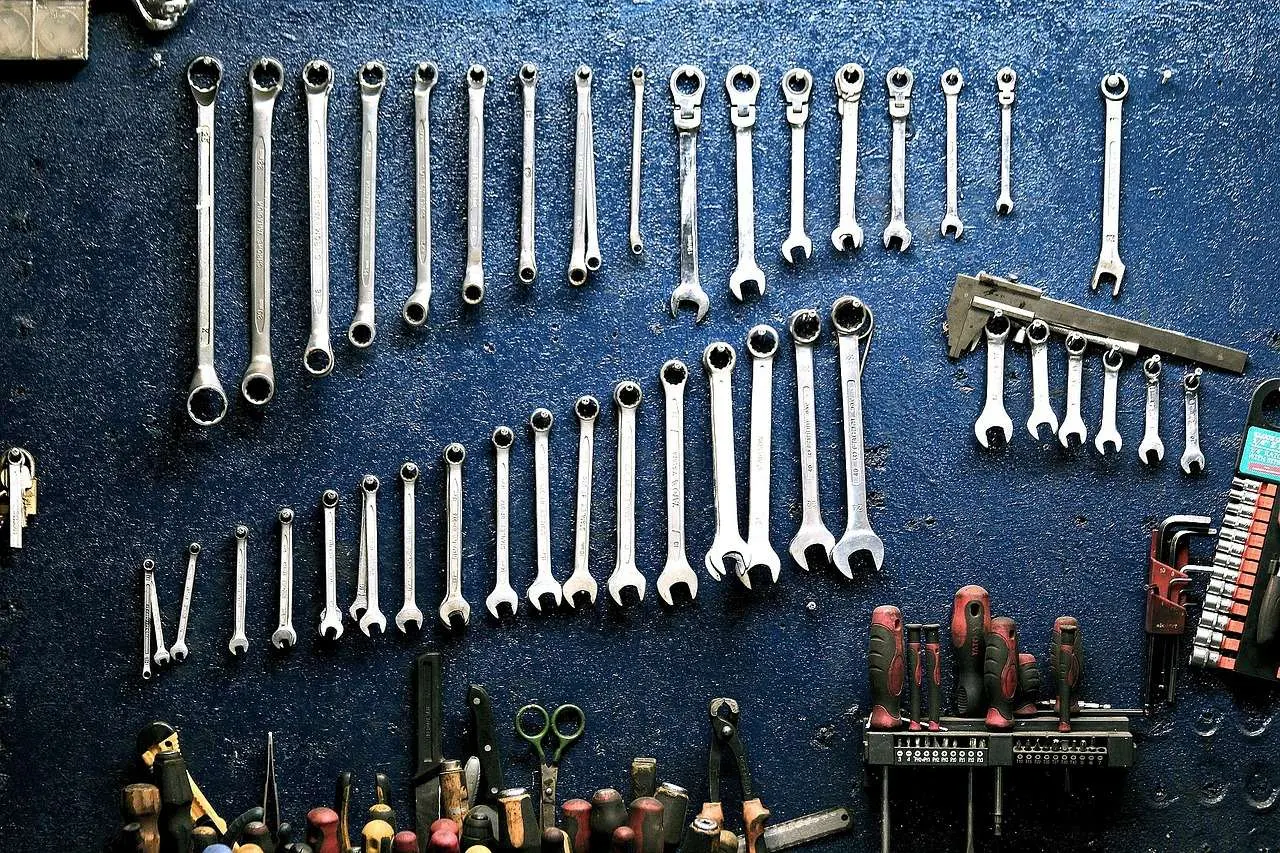
Your garage is full, and you can’t find the one tool you need. These garage organization ideas start with sorting by zone, then moving what doesn’t belong there indoors.
This guide sits within the wider home organization series, where each room gets its own plan.
| Item | Key fact |
|---|---|
| Canned food spoilage risk | Garage hotter than 85 degrees Fahrenheit |
| Refrigerator’s most efficient range | Between 65 and 78 degrees Fahrenheit |
| Gasoline limit in many community fire codes | Less than 25 gallons |
| Propane tanks | Outside, in a well-ventilated area |
| Firewood | Outdoors, elevated and covered with a tarp |
The figures come from Bob Vila’s garage list and Today’s Homeowner’s guide, whose page shows an update of April 9, 2025. They can change, so check the source before you rely on them.
Start by deciding what should leave the garage
A garage is not a spare room. Today’s Homeowner notes, in its April 9, 2025 update, that garages shelter you from the outdoor elements but lack the climate control of a house. Shelves should therefore hold things that tolerate heat, cold and damp.
Heat is the easiest example. Bob Vila’s list warns that canned food kept in a garage hotter than 85 degrees Fahrenheit runs the risk of spoiling, and that damp can make tin cans rust.
Before you buy a single bin, find a new home indoors for these items:
- Books and papers: changing humidity can make paper warp or grow mold.
- Clothing and bedding: heat, humidity and insects are fabric’s natural enemies.
- Electronics: high humidity raises the risk of damage to internal circuit boards.
- Wooden furniture: shifting temperature and humidity make the grain swell and contract.
- Photos: they can end up faded and stuck together.
- Pet food: the scent can attract rodents, even from unopened bags.
Shelving and zones that make a garage easier to use
Sort what remains into zones before you buy anything. Common groups are car care, garden, hand tools, sports gear and seasonal boxes, and each one gets its own wall, shelf or bay.
Keep the tools you use weekly within arm’s reach on a wall rail or pegboard, and put occasional tools in labelled bins. Closed containers also suit anything pests might like, such as the pet food and books mentioned above.
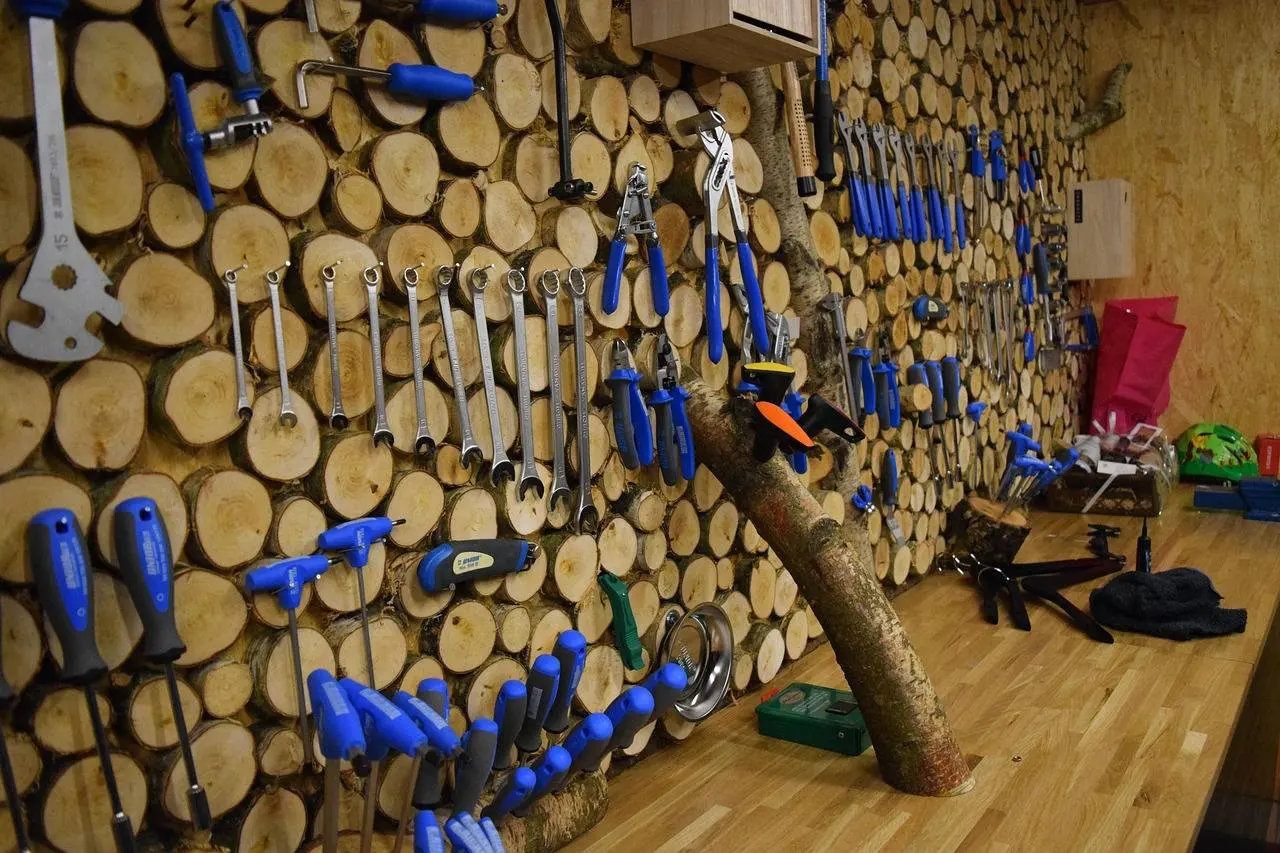
Fixing a shelf to a wall is a simple homeowner task if you follow the maker’s instructions. Ceiling-mounted racks, structural changes and new outlets for a workbench are different, so use a licensed professional for them.
Fuel, propane and chemicals need extra care
Treat the hazardous items as a separate zone, or better, take them out of the garage. Each of these has its own rule:
- Propane: the Propane Education and Research Council, as quoted by Today’s Homeowner, recommends storing tanks outside in a well-ventilated area away from ignition sources.
- Gasoline: Bob Vila’s list notes that many community fire codes restrict gasoline storage to less than 25 gallons, so check your local rules.
- Pesticides: a locked cabinet on a high shelf keeps them away from children and pets.
- Paint: in an unheated garage it can separate or gel, so a basement or utility closet suits long gaps between projects.
If you keep gasoline at all, use approved containers that are tightly sealed and undamaged. Keep them out of direct sunlight and out of the reach of children. If you suspect a gas leak, leave the area and call emergency services.
Seasonal storage: what to keep where
Firewood belongs outdoors, off the ground and under a tarp, at least a few feet from the house, according to Today’s Homeowner. Stacked in the garage, it can bring termites, rodents and spiders close to the house.
A spare refrigerator is a common garage resident, but Bob Vila’s list says fridges work most efficiently between 65 and 78 degrees Fahrenheit. Garages rarely stay in that range.
For off-season clothing, use sealed containers or garment bags and keep them inside the house. Sentimental items such as plush toys and records are vulnerable to mice, moisture, heat, cold and insects, so they also do better indoors.
If indoor space is tight, the guide to small space storage ideas shows ways to make room for what you move out of the garage.
What order should you tackle a garage in?
Work in a fixed sequence so the floor never ends up buried under half-sorted piles:
- Empty one zone at a time onto a clear patch of driveway or floor.
- Sort the items into keep, move indoors, donate and dispose.
- Remove the hazards first, following the label and local guidance.
- Fit shelves, hooks and rails, with heavy items low and everyday tools at hand height.
- Label every container and put seasonal boxes in the hardest-to-reach spot.
- Review the garage when the seasons change and move items as needed.
The method is the same as a bathroom organization reset: sort first, then buy containers to fit what is left.
Frequently asked questions
Is a spare fridge a good idea in a garage?
Show answer
Usually not. Bob Vila’s list points out that in winter even the insulated doors cannot stop perishable food from freezing, so the appliance does no better in cold weather than in hot.
How should I deal with oily rags?
Show answer
Today’s Homeowner advises spreading them out to dry completely. Then put them in a metal container filled with water and a detergent solution before disposal, because piled-up rags can heat up and combust.
Can I keep gasoline in the garage?
Show answer
The two sources disagree. Today’s Homeowner says not to, because the fuel is highly flammable and belongs in a secure outdoor spot, while Bob Vila’s list says it can be done if you follow the rules. Check your local fire code before you decide.
Where should books, photos and keepsakes go?
Show answer
Move them into the living space. Sealed containers in a climate-controlled part of the home protect books, and photos do best away from garage heat and damp.